Electric Kettle Has White Scale: What It Is and How to Remove It
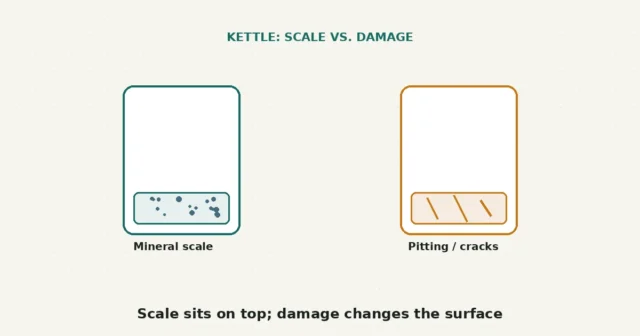
A white, chalky deposit is often mineral scale, but appearance alone cannot confirm it. Compare it with damage signs, then…
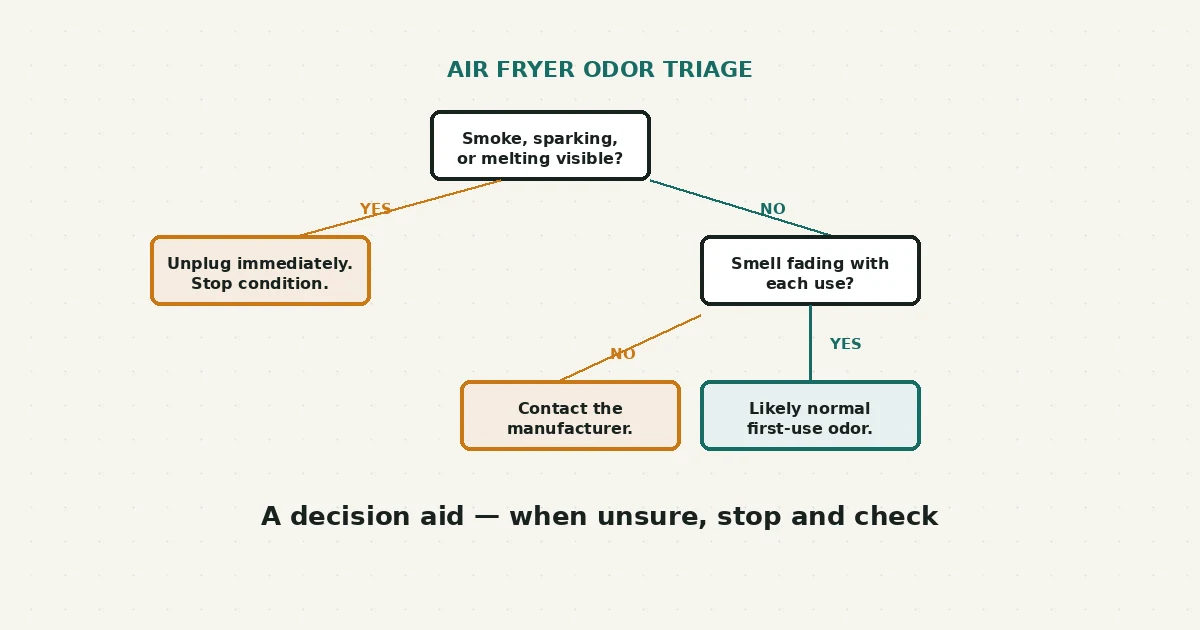
A faint plastic smell during an air fryer’s first few uses is common and, according to major manufacturers, expected — it comes from the plastic housing and the non-stick coating reaching high temperatures for the first time. Smoke, a persistent burning-plastic or electrical odor, melting, or sparking are a different situation entirely and are not something to wait out.
A mild, brief plastic smell in the first few uses that fades with continued use is normal, according to manufacturer guidance. Check first that all packaging and protective film have been removed. If the smell is faint and fading, a manufacturer-approved burn-off cycle can help. If instead you see smoke, smell burning that doesn’t fade, notice melting, or see sparking, stop using the unit and treat that as a stop condition, not something to cook through.
Air fryer housings and inner drawers are typically made of plastic, and baskets and pans commonly have a non-stick coating. According to manufacturer explanations, both can release a mild odor the first several times the unit reaches its normal high operating temperature, since some manufacturing residue and the coating itself are being heated for the first time. This is described as expected and temporary, not a sign of a defective unit.
What it is not is a reason to normalize smoke, a strong or persistent chemical smell, melting, or sparking. Those are different phenomena from an ordinary new-appliance smell, and manufacturers and safety agencies treat overheating, melting, and fire risk in kitchen appliances as genuine hazards worth stopping for immediately.
It’s worth noting that “new appliance smell” isn’t unique to air fryers — many electric kitchen appliances with heating elements or plastic housings can produce a mild odor the first few times they reach operating temperature. What makes air fryers a common source of questions is simply that they reach higher temperatures, faster, than many other countertop appliances, which can make an otherwise ordinary first-use smell more noticeable.
| What you notice | Likely explanation | Reasonable next step |
|---|---|---|
| Faint plastic smell, first 1–5 uses, fading over time | Normal first-use odor from housing and coating, per manufacturer guidance | Continue with a manufacturer-approved burn-off cycle; expect it to fade |
| Odor smells like the packaging materials specifically | Leftover plastic wrap, foam, or a protective film not fully removed | Unplug, let cool, and inspect the interior thoroughly for any remaining packaging |
| Light haze or white smoke while cooking fatty foods | Fat or oil dripping onto the pan and lightly smoking — described by at least one major manufacturer as generally not harmful to the unit | Reduce fat content, use an accessory designed to catch drippings if available, or clean the pan more frequently |
| Strong, persistent burning-plastic or chemical smell beyond the first several uses | Not the expected pattern — may indicate a fault | Stop using the unit and contact the manufacturer |
| Any visible smoke that doesn’t clear, melting, or sparking | Not a normal odor situation | Unplug immediately; treat as a stop condition |
Use this as a starting point for deciding whether to continue troubleshooting or to stop, not as a substitute for your own judgment — if anything feels wrong, it’s reasonable to stop and check further regardless of which row seems to match.
This guide covers identifying and responding to first-use odor and common cooking-related smoke, using only cleaning and burn-off steps a manual describes. It does not cover opening the housing, bypassing or defeating any thermal cutoff or safety control, or diagnosing an internal electrical fault — those are the manufacturer’s territory. Continuing to use a unit that has smoked, sparked, or shown melting is not recommended.
This varies by manufacturer and model, but guidance generally describes it fading noticeably within the first several uses. If it hasn’t faded at all after that point, that’s worth contacting the manufacturer about.
Manufacturers describe the coating reaching normal cooking temperatures as expected and not dangerous, though the smell itself can be unpleasant. This is different from a coating that’s damaged, peeling, or overheating well beyond its intended range.
Following your manual’s specific first-use or burn-off guidance, if it has one, alongside good kitchen ventilation, is the manufacturer-recommended approach. Running the unit hotter or longer than your manual describes isn’t something manufacturer guidance supports.
Not necessarily — some manufacturer guidance describes light white smoke from cooking fatty foods as generally not harmful, distinct from denser smoke or a chemical odor. If you’re unsure which you’re seeing, treat it cautiously and stop.
If you’re setting up more than one new kitchen appliance at once, the toaster safety and cleaning guide covers a similarly cautious, unplug-first approach for a different appliance. And if a coffee maker or kettle in the same kitchen is showing mineral buildup rather than an odor issue, this electric kettle scale guide may be more relevant.
New to RFSE? See how to approach any RFSE guide safely, or browse the full Kitchen Equipment hub for more guides like this one.
This guide is based on official manufacturer documentation current as of publication. First-use guidance, burn-off procedures, and safe operating practices vary by model — always confirm details against your exact air fryer’s manual, and contact the manufacturer for anything beyond ordinary first-use odor.
A white, chalky deposit is often mineral scale, but appearance alone cannot confirm it. Compare it with damage signs, then…
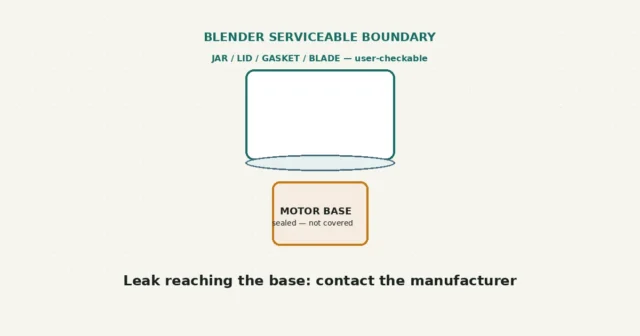
On models with removable jar parts, a gasket, collar, jar or blade assembly may be involved. Confirm the exact manual…
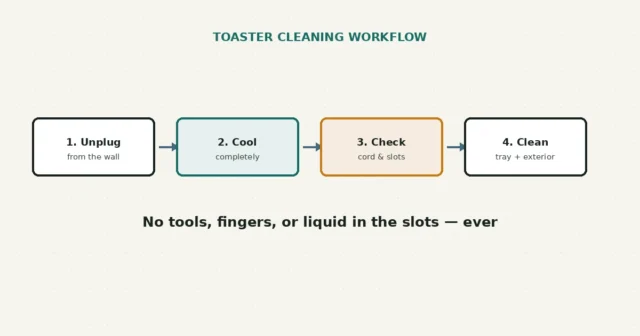
Unplug, let cool, then clean only the removable crumb tray and exterior. Crumb buildup is a documented fire risk, but…