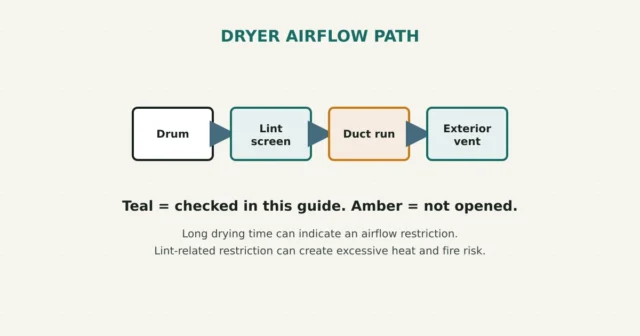
Dryer Takes Two Cycles: Safe Airflow Checks Before Service
Longer drying time can indicate a blocked lint screen or exhaust path. Check the screen, load and exterior airflow, and…
Describe the symptom, begin with safe checks, and know exactly when to stop and call a qualified professional.
Browse by equipment
Seals, residue, frost and routine care
Explore → 02Safe cleaning for everyday countertop tools
Explore → 03Washers, dryers, vacuums and better results
Explore → 04Filters, airflow and portable equipment
Explore → 05Measure, fasten and choose materials clearly
Explore →Featured diagnostic guide

White dust is often associated with minerals dispersed by ultrasonic or impeller humidifiers, per EPA guidance, though appearance alone cannot confirm the source. Type and manual guide the options.
Open the guideField guides
Longer drying time can indicate a blocked lint screen or exhaust path. Check the screen, load and exterior airflow, and…
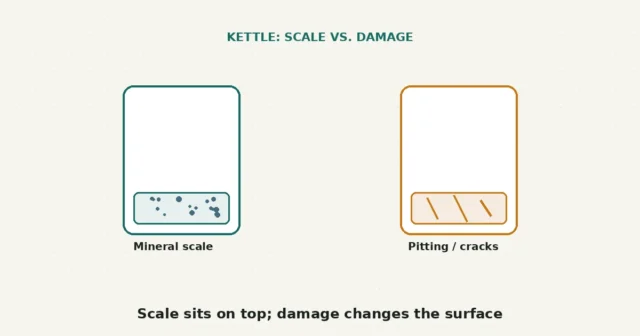
A white, chalky deposit is often mineral scale, but appearance alone cannot confirm it. Compare it with damage signs, then…
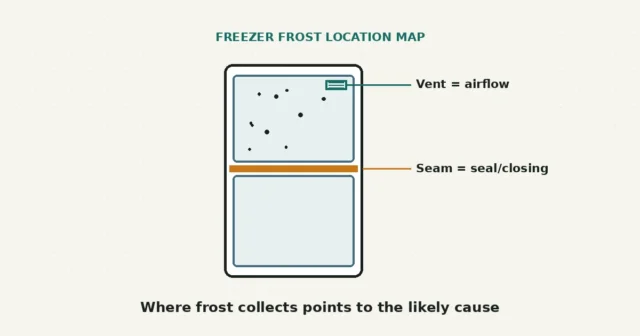
Where frost collects can guide the first inspection, but it does not confirm a cause. Check closure, seals, humidity and…
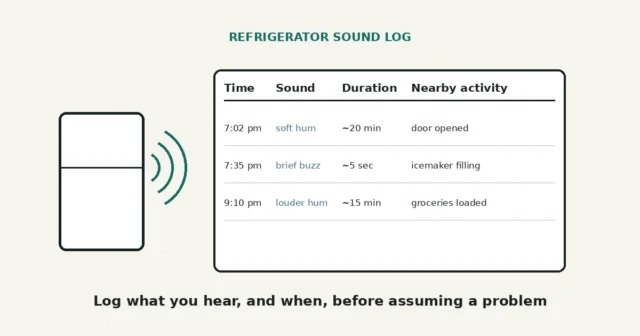
Many refrigerator sounds are part of normal operation. A short timing log helps compare a new hum or buzz with…
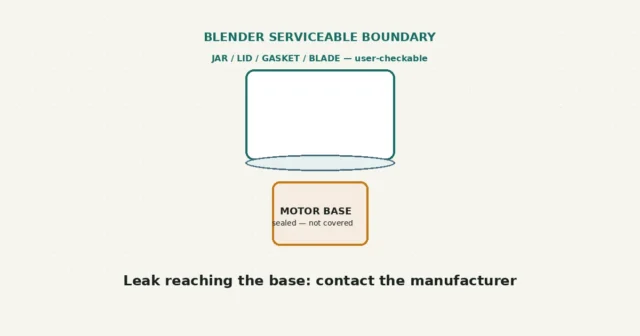
On models with removable jar parts, a gasket, collar, jar or blade assembly may be involved. Confirm the exact manual…
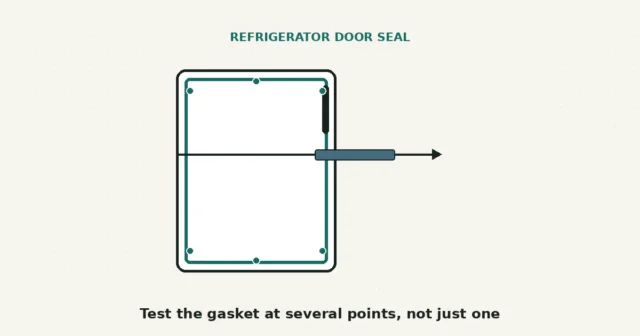
A refrigerator door that won’t seal is usually an obstruction, a dirty or worn gasket, or a leveling issue. Work…
Repair, maintain or call a pro?
RFSE separates routine cleaning and removable-part checks from work involving electricity, gas, refrigerant, structural systems or hidden hazards.